



Comfort
The case for cooling a London home is really the case for eight hours of deep, uninterrupted sleep — for you, and for the small people down the corridor.
The science, briefly
Sleep researchers broadly agree: core body temperature has to fall for deep sleep to arrive, and it can't when the room won't let it. London's brick terraces are superb at holding heat — wonderful in February, miserable in July, when upstairs rooms routinely sit above 28° at midnight.
A Coole & Frost system holds each bedroom at its own set point — 18° for you, 19° for the nursery — silently, all night. No fans, no open windows onto street noise, no wet flannels on foreheads.

Heatwaves are the new normal
The ten warmest UK years on record have all come since 2003. Heatwave nights that used to arrive once a decade now arrive every summer — and homes designed for 1890 weren't designed for them.

For the whole household
Babies sleep badly above 20°. Teenagers revising in loft rooms cook from June onwards. Grandparents feel heat harder than anyone. When we design your system, we design for the people in each room — not for an average of the house.

Sign-off from the household's chief comfort officers comes as standard. In whisper mode, our indoor units are quieter than a purr — and considerably easier to negotiate with than either of them.
The part nobody expects
Modern climate control is an air-to-air heat pump. Run in reverse, it delivers roughly three to four units of heat for every unit of electricity — among the cheapest ways to warm a room in Britain today. One discreet system; comfort in both directions, all year.
Room by room
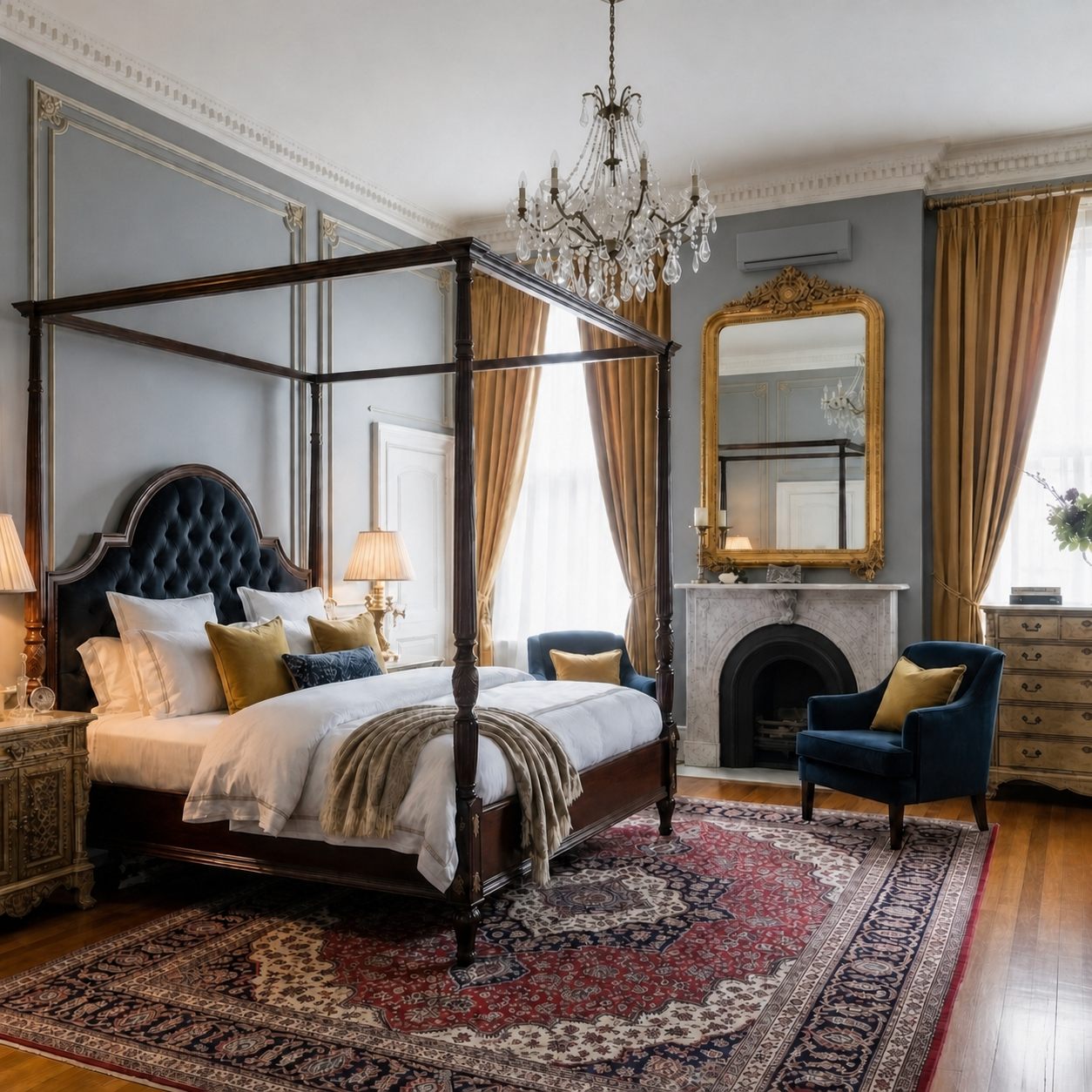

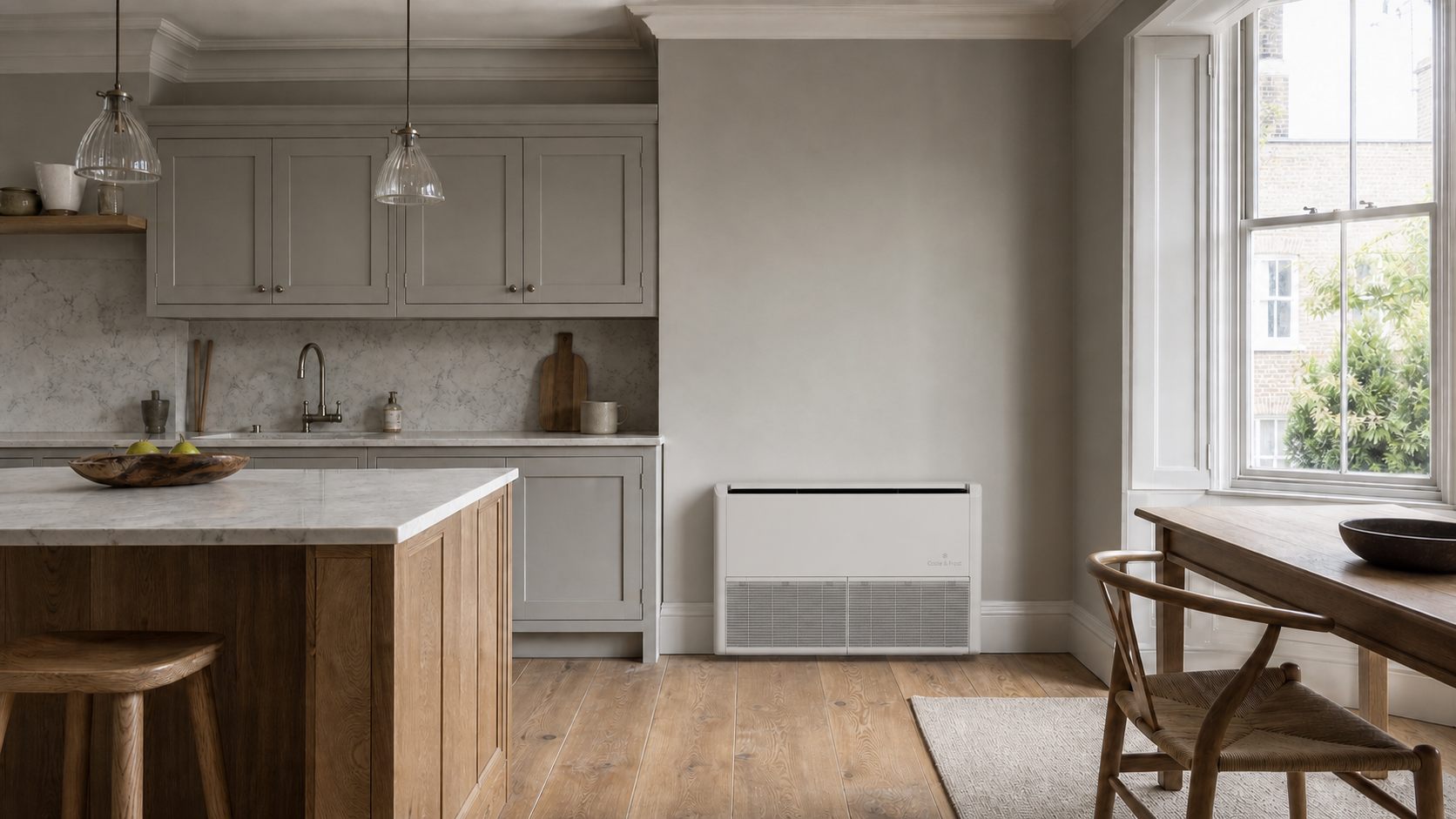
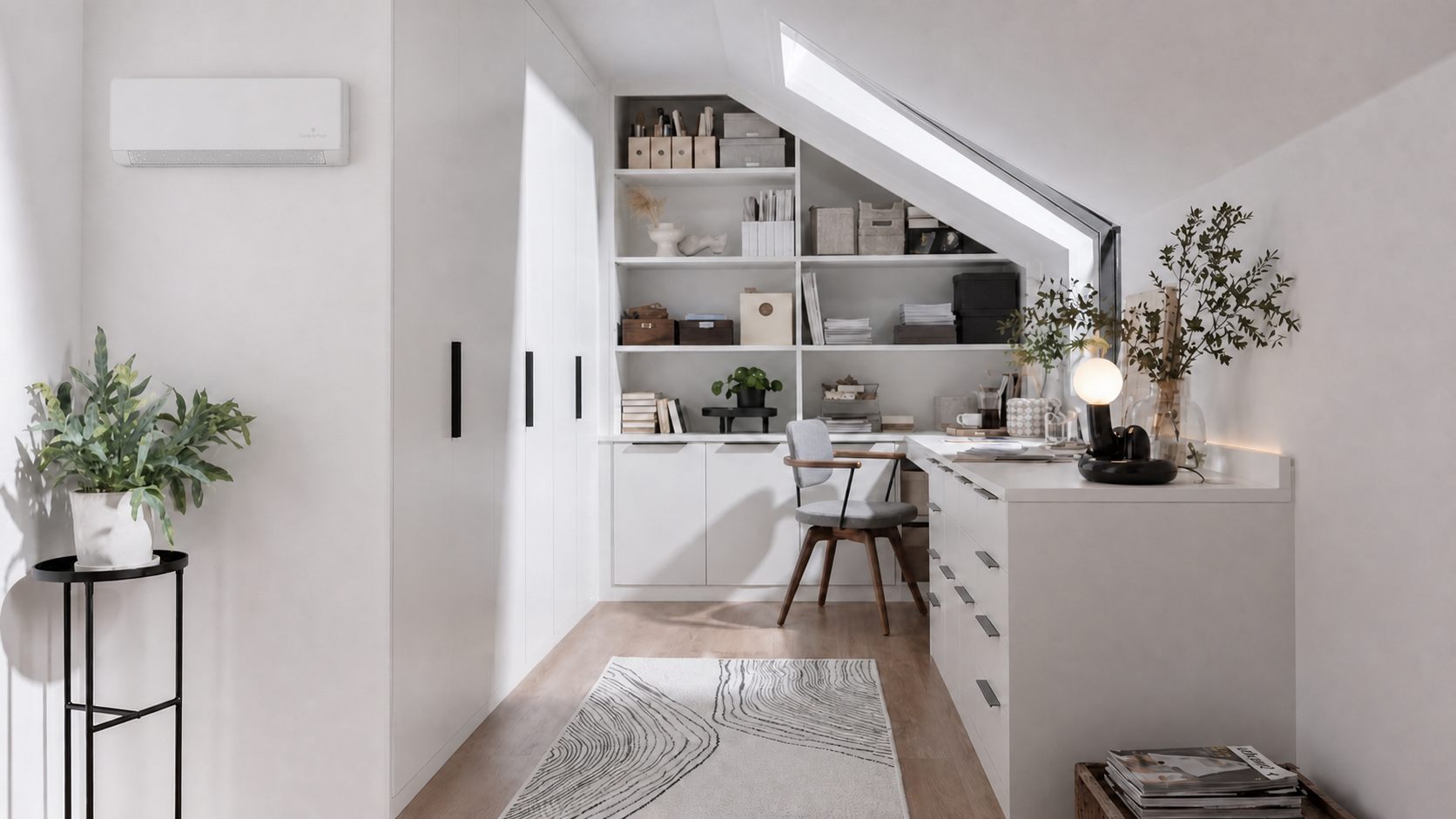
Tell us about your house and the rooms that suffer. We'll design around the way you live.